Improving Park Maintenance Through Collective Reporting and QR Hand-offs
How property managers can leverage community-driven task lists to address park issues faster.
- Published
- Author
- X9
- Reading time
- 6 min read
The short answer
Property managers can solve the problem of undetected park maintenance issues by implementing a collective reporting system using X9. By placing QR codes in high-traffic areas, managers allow citizens to instantly log issues like trash, dog waste, or safety hazards into a shared task bucket, creating a transparent and actionable list for maintenance crews without requiring any app downloads.
The Visibility Gap in Park Management
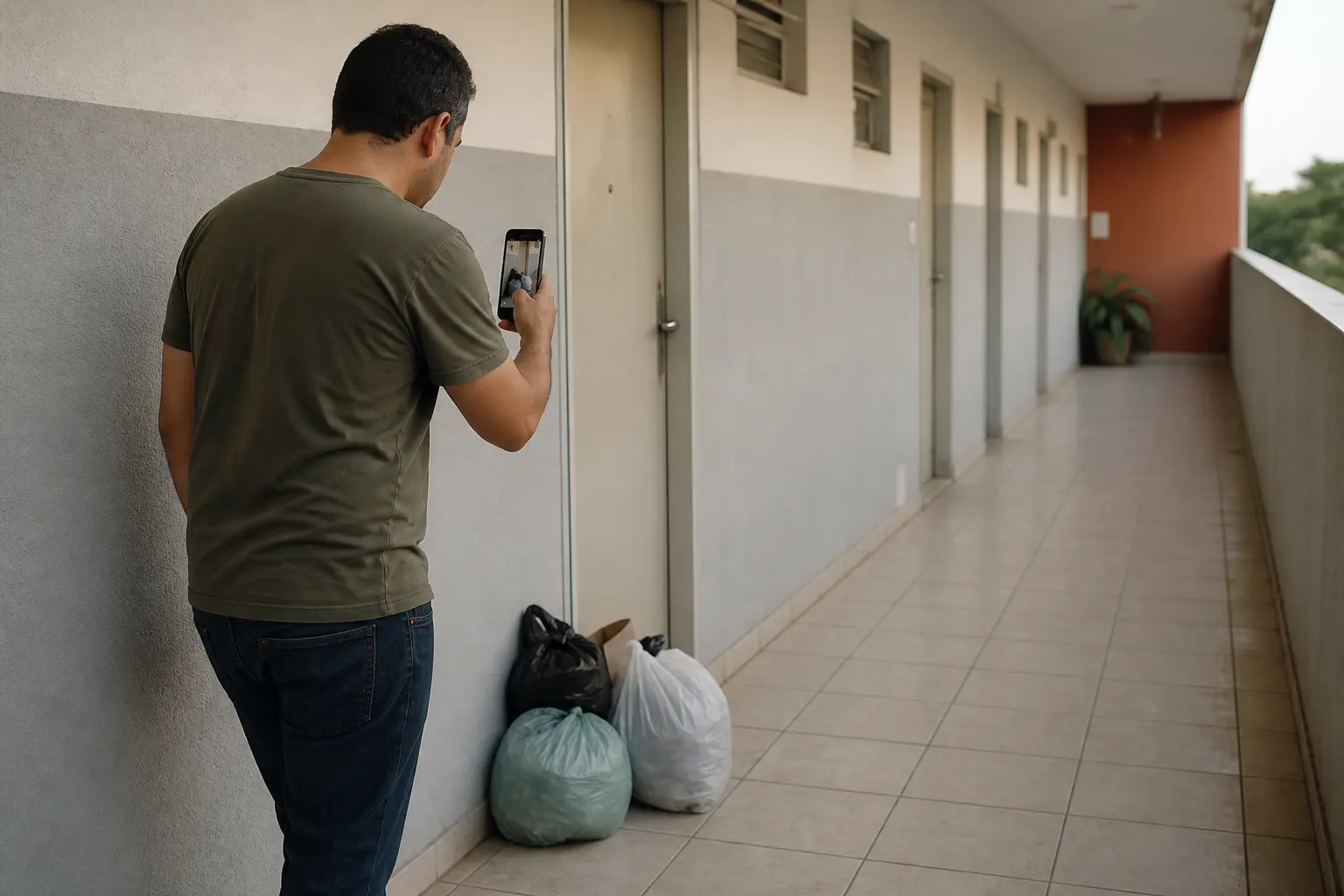
Property managers responsible for public parks or large private green spaces face a constant challenge: they cannot be everywhere at once. Maintenance issues—ranging from overflowing trash bins and dog waste to more complex social issues like illegal encampments or drug activity—often go unreported for days. Traditional reporting methods, such as phone hotlines or web forms, are high-friction and often result in vague descriptions that make it difficult for crews to respond effectively.
When citizens feel their reports vanish into a black hole, they stop reporting. This leads to a degradation of the space, which in turn attracts further neglect. To break this cycle, property managers need a way to capture real-time data from the people who are actually using the park every day.
Crowdsourcing Maintenance with X9 Buckets
X9 changes the dynamic of park oversight by introducing "buckets." A bucket is a shared container for tasks that can be accessed via a simple link or a scannable QR code. A property manager can create a bucket named "Central Park Maintenance" and generate a QR code for it.
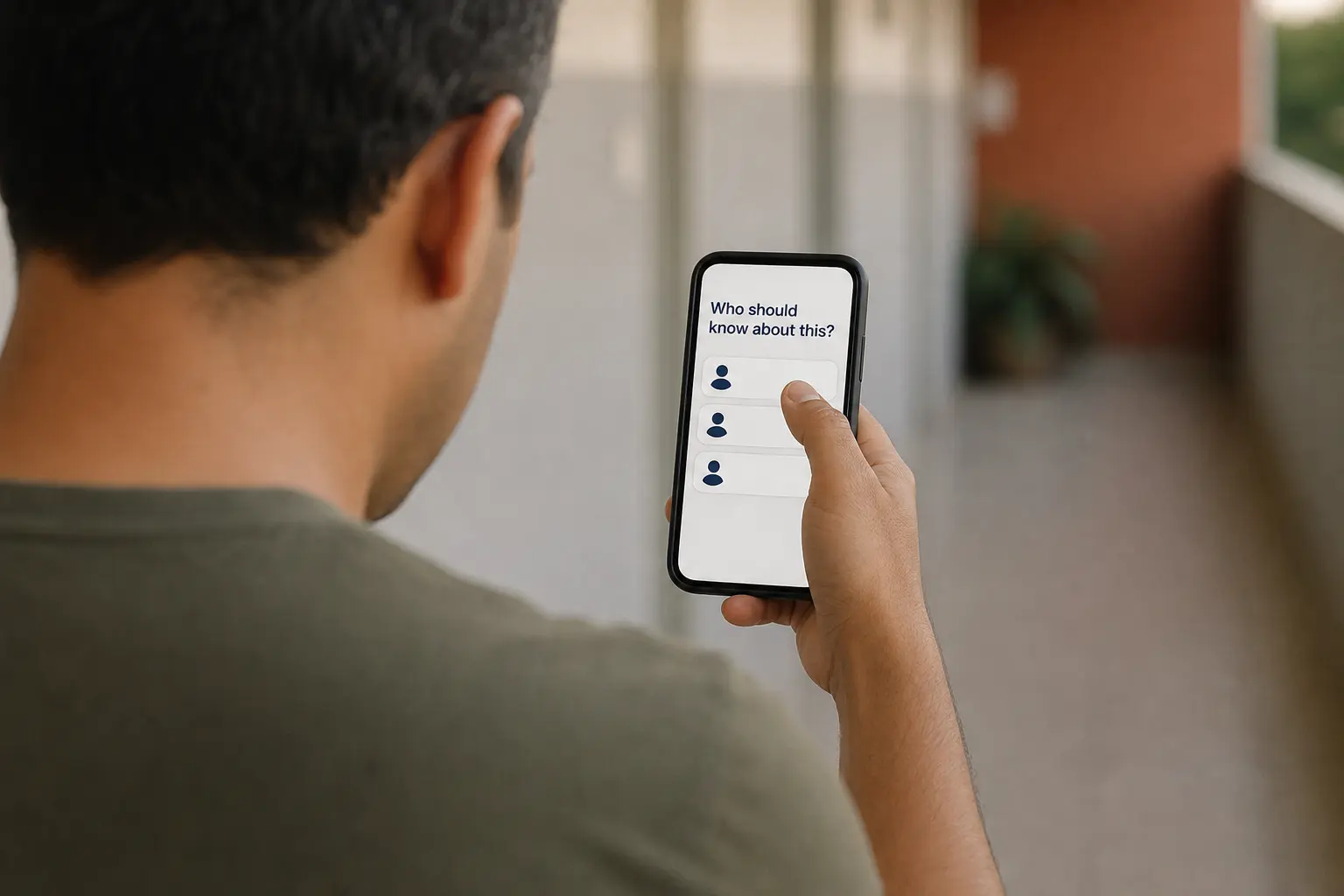
By posting these QR codes on park benches, entrances, and near waste stations, managers invite the community to participate in the upkeep of the space. When a citizen notices a problem, they scan the code and see a live list of current issues. If their issue isn't listed, they can add it in seconds. This collective approach ensures that the manager receives a high-resolution map of the park's needs without having to perform constant manual inspections.
Moving from Complaints to Collective Action
One of the primary benefits of using X9 for park management is the shift from individual complaints to collective pressure and transparency. In a traditional system, five different people might call to complain about a broken swing, and none of them know if the others have called.
With X9, the list is public to anyone with the QR code. When a citizen scans the code and sees that "Broken swing at North Playground" is already on the list and marked as "In Progress," they feel heard. For the property manager, this reduces the volume of duplicate inquiries and creates a clear, prioritized work order. The collective nature of the list creates a sense of shared responsibility; when the community sees that the manager is responding to the list, they are more likely to provide high-quality, helpful data.
Streamlining the Hand-off to Maintenance Crews
Reporting is only half the battle; the other half is execution. X9 is built for the "hand-off." Once a task is logged by a citizen in the public bucket, the property manager can use the X9 mobile app to manage the workflow.
Managers can:
- Assign tasks: Move a reported item from the public bucket to a private bucket shared only with the maintenance staff.
- Add context: Attach specific instructions or priority levels to the task.
- Track completion: Once the maintenance crew finishes the job, they mark it as done, which can then be reflected back to the public list if the manager chooses, closing the feedback loop.
This seamless transition from a citizen's observation to a contractor's task list eliminates the administrative overhead of re-entering data from emails or phone logs into a separate management system.
Addressing Safety and Hygiene Concerns
Specific issues like drug paraphernalia or dog waste require immediate attention for public health reasons. X9 allows for the inclusion of photos in task reports, which is critical for these types of issues. A maintenance worker receiving a task to "clean up needles near the fountain" can see exactly where they are located via a photo and a description, allowing them to bring the correct safety equipment and locate the site immediately.
For property managers, this data is also valuable for long-term planning. If the X9 bucket shows a recurring trend of trash overflow in a specific corner of the park every Tuesday, the manager has the data needed to justify installing more bins or increasing the frequency of pickups in that specific zone.
Why No-App Reporting is the Key to Success
The biggest barrier to community-driven reporting is the requirement to download an app or create an account. Most park visitors will not go through the friction of an app store search and a password setup just to report a full trash can.
X9 removes this barrier entirely. Because the recipient—in this case, the citizen—opens the list in their phone's native browser, the time from "seeing a problem" to "reporting a problem" is less than 30 seconds. This low-friction entry point is what makes collective reporting viable at scale. By making it easy for the public to help, property managers gain a massive, unpaid workforce of observers who are invested in the quality of their local environment.